
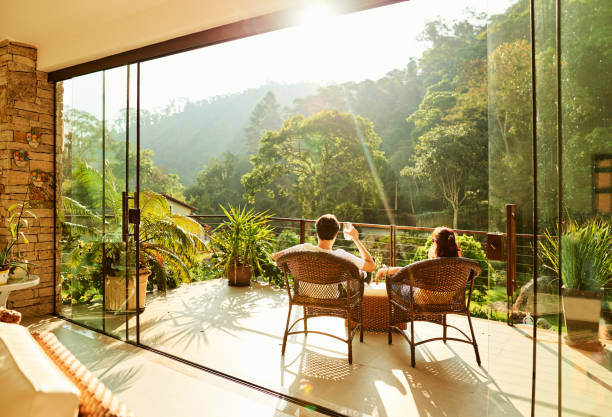

The definition of luxury is changing subtly but significantly in India in 2025. The days of associating wealth with extravagantness, glitz, and exaggeration are long gone. Quality above quantity, timeless design, subtle elegance, and a strong connection with authenticity are all hallmarks of the new age of “quiet luxury.” Nowadays, luxury is more of a whisper than a scream to contemporary Indians, particularly in metropolitan areas. It is about adopting a refined simplicity that honors tradition, sustainability, and personal significance while living well without attempting to prove it.
Recognizing Silent Luxury in the Indian Setting
Quiet luxury is a way of thinking, not a fashion. It prioritizes thoughtful living over impulsive purchasing, tranquility over theatrics, and workmanship above branding. Richness in Indian culture has always been about subtle details, such as exquisite handwoven textiles, elaborate carvings, natural materials, and dignified color schemes. This concept is influenced by our long-standing traditions. Quiet luxury encourages you to surround yourself with things that make you feel good rather than things that appear costly.
2025 Fashion: Craft-Based, Tailored, and Minimal
With a new, modern perspective, Indian fashion is embracing understated elegance. Labels are shifting away from over-the-top frills and intricate needlework in favor of clothing that speaks via shape, fabric, and fitting. The wardrobes of those who consider elegance to be easy are dominated by silk pieces, organic cotton gowns, linen kurta sets, and handloom saris. Refined but deeply entrenched in tradition, the characteristic weaves of Chanderi, Maheshwari, Jamdani, and Bhujodi are making a comeback in place of overt branding. Neon and sparkle are giving way to delicate color schemes like ivory, sage, charcoal, and dusky rose.
Houses That Exude Serenity and Purpose
In India, the quality of a quiet luxury house is more important than its price. By 2025, breathable materials, natural textures, and clutter-free areas will be popular in interior design. These days, an exquisite house is characterized by jute rugs, linen drapes, exposed brick walls, salvaged wood furniture, brass fixtures, and handcrafted crockery. A calm mood is produced by neutral hue tones like ecru, almond, sand, and deep greys. When feasible, local materials and artisans are used, and the focus is on functional space without compromising comfort.
Wellness Areas That Put the Body and Mind First
Self-care is another way that quiet luxury shows itself. In 2025, quiet, intimate rituals are redefining the Indian wellness scene in place of boisterous spa visits. These days, urban residences must include rooftop yoga decks, soundproofed reading nooks, and home meditation areas. Consumers are spending money on copper water dispensers, air purifiers, and traditional Ayurvedic implements like wooden combs and kansa wands. It’s more about getting back to the everyday quiet and traditional cycles than it is about consuming wellbeing.
Purposeful and Soulful Luxury Travel
In 2025, opulent resorts and well manicured Instagram backgrounds won’t be the main attractions of travel. The modern Indian tourist prioritizes cultural richness, sustainability, and isolation. They are opting for eco-friendly vacations in Ladakh, Keralan treehouse getaways, or Gujarati artisan village tours. Even five-star breakfasts are no match for the feeling of stepping barefoot in a Rajasthani stepwell or drinking filter coffee in a quiet Coorg plantation. The goal of quiet luxury vacation is to fully immerse oneself rather than excessively isolate oneself.
Dining That Honors Seasonality and Simplicity
Another area where silent luxury has established itself is in the food industry. In 2025, 20-course molecular meals are no longer the highlight of an Indian fine dining experience. Rather, it emphasizes regional distinctiveness, ingredient purity, and thoughtful presentation. Now, house-fermented pickles, handmade breads, seasonal vegetables, and millet thalis are just as prestigious as foie gras or foreign cheese. Heirloom recipes, zero-waste cooking methods, and temple-style dinners are being recreated by home cooks. Traditional brass serveware, handwoven linens, and ceramic dinnerware have evolved into representations of deliberate elegance.
Purposeful Technology and Digital Minimalism
Nowadays, having a place to unplug is a great luxury in a world full with screens and noise. Digital simplicity is embraced by quiet luxury. In 2025, the wealthy Indian utilizes technology to be productive rather than to pass the time. Light sensors, air conditioning systems, and solar panels are examples of modest automation features found in smart houses, yet there isn’t any superfluous gadget clutter. Luxuriance is found in durable, high-quality gadgets that blend seamlessly into everyday life. Digital detox zones, where no devices are permitted and people are free to simply be, are likewise becoming more and more popular.
Luxury is Custom-Made, Mindful, and Slow
There is no place for fast food, quick clothes, or rapid living in the peaceful luxury lifestyle. Indians increasingly value leisurely life, which includes handcrafted goods manufactured in small quantities with care, hardwood furniture that last for decades, jewelry that is handed down through the generations, and clothing tailored by local tailors. People want to know how their linen was colored, where their mattress came from, and who created their garments. It’s more important to make intelligent decisions than to be flawless.
Customization Above Mass Prestige
Quiet luxury is more about what represents you than it is about what’s trendy. Mass-produced luxury items are giving way to bespoke fragrances, personalized stationery, fitted coats, and commissioned artwork. Having fewer significant objects is more valuable than having a ton of items with no emotional significance. This also represents the custom of giving gifts and sharing personal stories in India. Memory-rich items are being proudly exhibited, and heirlooms are being restored rather than replaced.
A Greener Meaning of Style
The environmental knowledge of peaceful luxury is perhaps the most significant change. Wealth no longer justifies waste in 2025. Indian consumers now are favoring companies that reduce packaging, promote fair labor practices, and care for the environment. In addition to being useful, reusable containers, solar panels, electric vehicles, repurposed décor, and plastic-free purchases are also aspirational. Sustainable decisions are the most potent declaration of sophisticated living in a world when the planet’s destiny seems unclear.
Conclusion: A Return to Indian Values via Quiet Luxury
Ironically, simplicity, respect for craftsmanship, sustainability, and inner contentment—values India has long held dear—are being revived by the worldwide trend for quiet luxury. Quiet luxury in 2025 is about having more purpose rather than less style. It provides an environment where style permeates daily life without shouting. This calm seems the rarest, most beautiful, and ultimately most opulent in a world that is becoming more and more raucous.